
Fakaging
Being seen is not the same as being known.
Fakaging is a term I use for the way we package ourselves, our actions and even our communication to influence how other people see us while quietly protecting the parts of ourselves we are less comfortable showing.
The word combines fake and packaging. It came from years of noticing how easily appearance can become more important than the person underneath it, particularly when we have the opportunity to choose exactly what other people see.
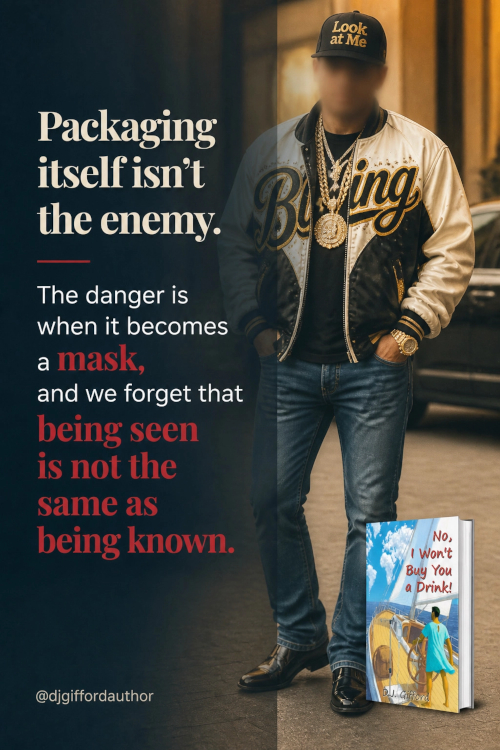
It isn't simply about being fake
Most people are not deliberately trying to deceive anyone. We adapt. We protect ourselves. We learn which parts of ourselves feel safe to reveal and which parts are better kept private. That is normal.
Fakaging begins when the version we present becomes more important than allowing someone to discover who we actually are. Over time, the packaging can become so familiar that even we begin to believe it is the whole story.
“Being seen is not the same as being known.”
Someone can admire us, follow us, respect us or like us without ever really knowing us. They may simply know the version we have chosen to show them.
From faces to profiles
Before social media, people generally discovered one another through conversation and experience. A person standing in front of us was the beginning. Saying hello opened the first page, and the story developed from there.
Today we can encounter the packaging first. Social media profiles, photographs, achievements, reviews and carefully selected updates can shape our impression before we have shared a genuine conversation. An online identity can exist long before we discover the person behind it.
The problem isn't that presentation exists. The problem is what happens when presentation becomes the substitute for discovery.
Why it matters
The moments I remember most from my travels were rarely the polished ones. They were the moments when someone stopped managing how they appeared. They laughed at themselves, admitted uncertainty, showed kindness or became absorbed enough in a conversation for the performance to disappear.
Those moments felt real because there was nothing to admire except the person themselves.

No, I Won't Buy You a Drink!
The memoir follows a life shaped by travel, hearing difficulties, recurring illness and a constant curiosity about what happens between people. Fakaging is one of the ideas that became clearer only after the journey had been lived.
Find the book